This starts affecting men when they get a little older
Everything you need to know about C. diff
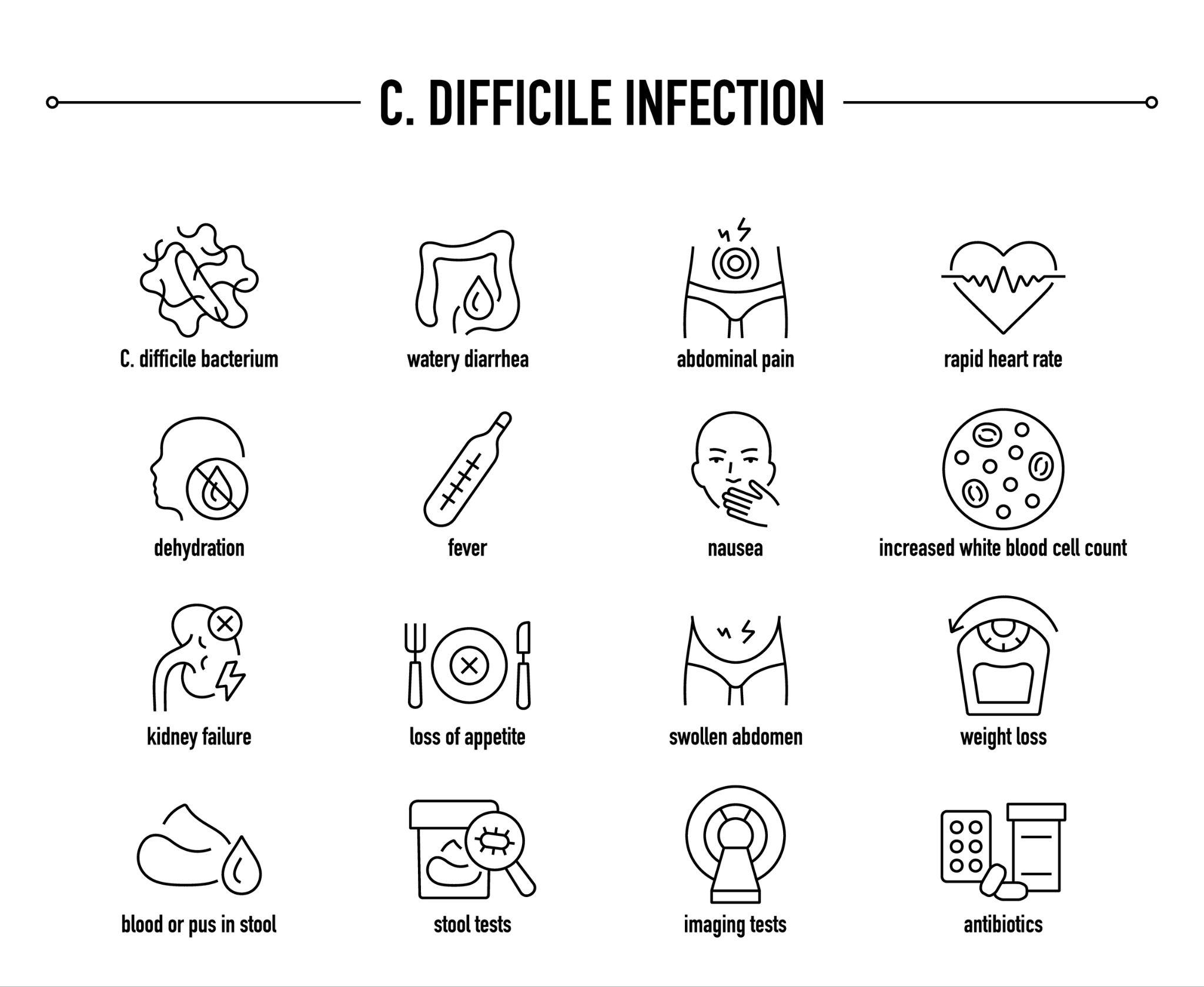
Matt Cook here, and C. difficile is a bacteria which can cause a serious infection of the gastrointestinal system.
It often occurs in older people, or those in hospital who have been taking antibiotics.
C. diff primary symptoms include diarrhea, fever, loss of appetite and nausea.
It can be tricky to treat and often recurs again and again.
The incidence of C. difficile infections seems to be increasing too.
Recent research indicates that trends toward higher fat diets may be playing a role in this.
Researchers discovered that animals fed high-fat diets were much more likely to have severe C. diff infections when the conditions were right.
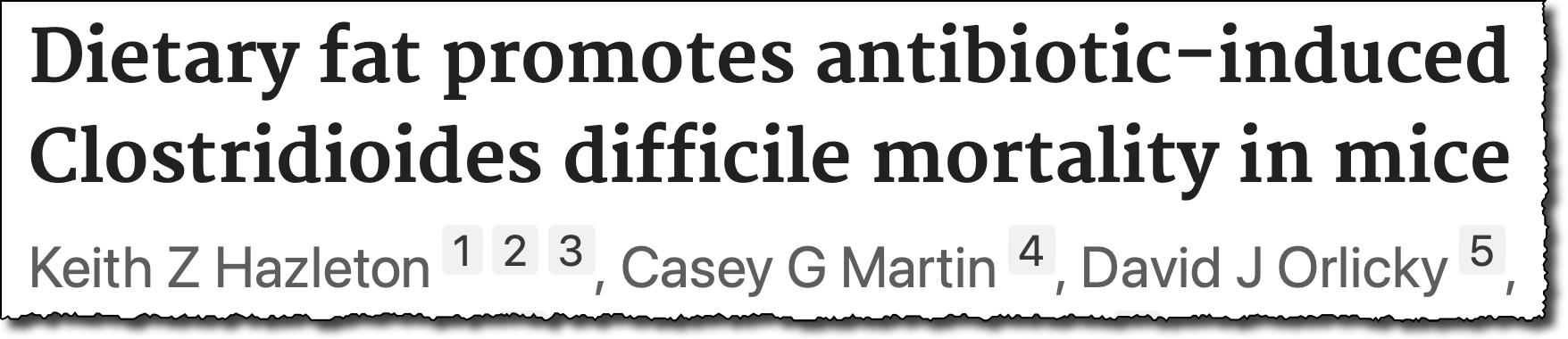
The animal experiments were performed at the University of Colorado. The paper was published in NPJ Biofilms Microbiomes.
C. diff is a major problem in hospitals – and research accumulating over the last few decades indicates that diet plays some role in the risk of this infection.
“C. diff is the leading cause of hospital-acquired diarrhea, and emerging evidence has linked dietary components with C. diff pathogenesis.”
If diet plays a role then diet can help to reduce the risk of developing C. diff — and the risk of recurrent C. diff infections which plague many people.
“Previous studies suggest that dietary modulation may be an effective strategy for prevention.”
The researchers carried out some experiments where mice were fed different diets.
Some mice were fed a high-fat, low fiber diet. This is the type of diet many people eat these days.
There is an old idea that low fiber diets are bad for you – but more recent research shows that high-fat diets are more of a risk.
The high-fat, low fiber diet was compared against a low-fat, low fiber diet.
The difference between the two diets was the amount of fat the animals consumed – the fiber was similar.
Animals fed a high-fat diet were far more likely to develop severe C. diff infections when they had been treated with antibiotics.
Far more of the animals on the high-fat diet died from C. diff.
“Here, we show that mice fed a high-fat/low-fiber “Western-type” diet had dramatically increased mortality compared to a low-fat/low-fiber diet and standard mouse chow controls.”
Analysis revealed that the high-fat diet altered the production of bile acid – something our body produces to digest food and help to control bacteria in the gut.
A high-fat diet leads to the production of types of bile acid which promote the growth of C. difficile.
“The high-fat diet produced a pro- C. difficile bile acid composition that was driven in part by higher levels of primary bile acids that are produced to digest fat, and a lower level of secondary bile acids that are produced by the gut microbiome.”
Once antibiotics are added into the mix, the high-fat diet can be a trigger for tricky infection due to altered bile acid production.
“This lack of secondary bile acids was associated with a greater disturbance to the gut microbiome with antibiotics in both the high-fat/low-fiber and low-fat/low-fiber diet compared to mouse chow.”
The researchers found that animals fed the high-fat diet also had significantly higher levels of TcdA – one of the extremely harmful toxins produced by the C. difficile bacteria.
This factor was a major predictor in the increased death rates in animals on the high-fat diet.
“Mice fed the high-fat/low-fiber also had the highest level of toxin TcdA just prior to the onset of mortality, but not of TcdB or increased inflammation.”
The research suggests that decreasing levels of dietary fat could prevent the onset and recurrence of C. difficile infections…
…by helping to produce a more protective blend of bile acids which make the gut inhospitable to C. difficile.
“These findings indicate that dietary intervention to decrease fat may complement previously proposed dietary intervention strategies to prevent C. diff in high-risk individuals.”
Some people eat high fat diets because this is just the done thing — the “Western diet” is high fat.
Others eat a high fat diet because they believe it can help them with metabolic issues — it doesn’t.
Either way, these diets could be increasing the incidence of C. diff infections.
You should always consult your healthcare practitioner for guidance on medical diagnosis and treatment.
—-Important Message—-
This one food dramatically raises your own testosterone levels
I’ve discovered one food acting as a natural aromatase inhibitor and it’s doing wonders for men…
An aromatase inhibitor is something that blocks the conversion of testosterone into estrogen…so your natural testosterone builds UP UP UP.
And this one food does just that…and you only need a couple teaspoons a day!
With this food, men’s precious natural testosterone STAYS testosterone…
So T levels climb higher and higher while estrogen stays low!
———-